
Postwar Recovery and Its Costs
A Pale View of HillsReconstructed streets and changing institutions embody Japan’s movement beyond wartime destruction, while memories and political disputes resist a simple story of recovery.
increasing Bearing strength in each event
 decreasing
Bearing strength in each eventdecreasingThe Rebuilt Precinct
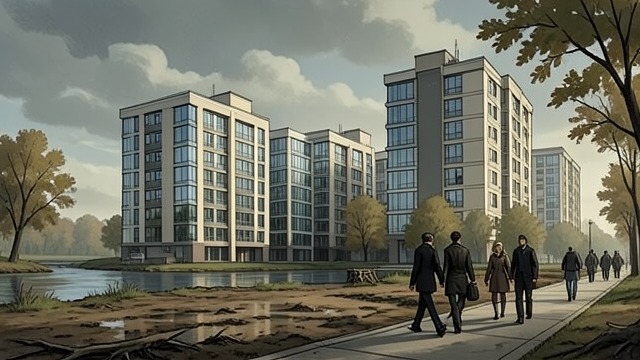
Concrete After Ruins
A new settlement
Etsuko describes four apartment blocks built near a river where a village once stood. Their modern kitchens and shared layout suggest progress, but the surrounding wasteground remains muddy and unhealthy.
Recovery unfinished
The residents enjoy better housing yet feel temporary, waiting to move somewhere better. Reconstruction appears as a real achievement with visible limits, not a complete restoration of what was lost.
The Harbor’s New Sounds
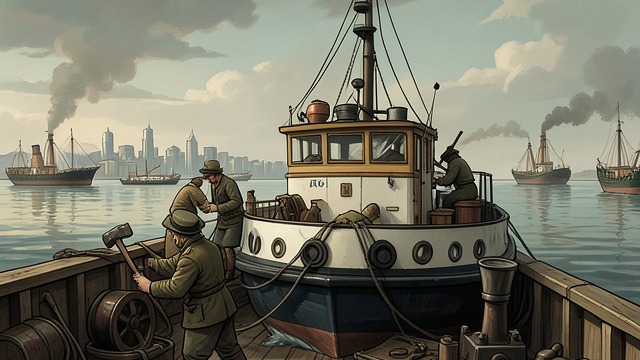
Work After Ruin
A city in motion
From the ferry, Etsuko hears hammers, machinery, and ships’ horns. These sounds once feel uplifting because they mark recovery in a city rebuilding after the bombing.
Progress beside memory
The busy harbor is seen against knowledge of the destruction below. The scene lets reconstruction produce hope without making the earlier catastrophe disappear from the landscape or from Etsuko’s thoughts.
The Peace Memorial
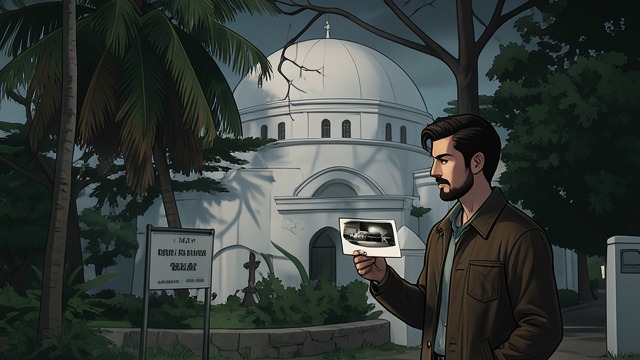
A Monument and a Postcard
A disputed symbol
Etsuko sees the large white statue in Peace Park as cumbersome and almost comic, unable to connect its pose to the suffering that followed the bomb. Seiji Ogata buys a postcard and hesitates over what to write.
Memory in miniature
The postcard reduces a solemn memorial to a small image intended for an acquaintance. The scene suggests that public symbols cannot dictate what private observers will remember.
The Occupation’s Afterlife
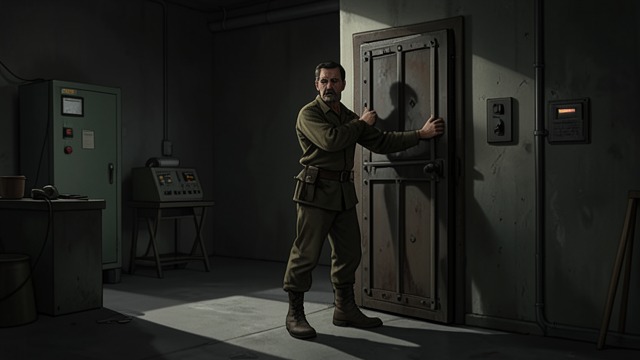
Imported Institutions
A veteran teacher’s grievance
Seiji Ogata says the Americans dismantled the school system and imposed their own educational priorities. He regards the changes as a destruction of values that once held the country together.
A critical counterpoint
Jiro remembers that students were taught myths of national divinity and superiority. The disagreement shows how recovery includes institutional change and a reconsideration of the ideas that preceded defeat.
A New Dawn Disputed
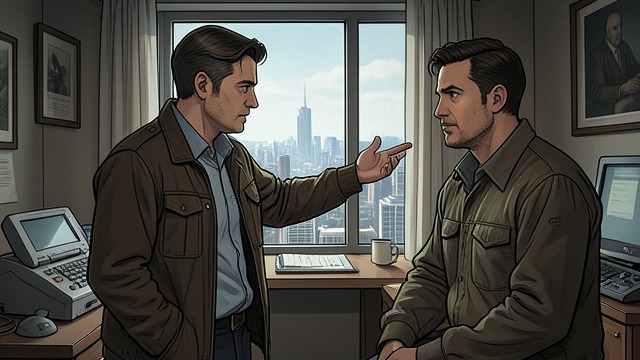
Responsibility After Defeat
The old system condemned
Shigeo Matsuda says the schools taught lies and discouraged questioning, helping lead the nation toward disaster. He regards the postwar opening as a chance for a new dawn.
Recovery without agreement
Seiji Ogata rejects the claim that the old values caused defeat and defends the teachers’ intentions. Their clash shows that national recovery remains morally contested even as the physical city is rebuilt.
early postwar years in Nagasaki
during the summer outing to Inasa
during Seiji Ogata’s final week in Nagasaki
during Seiji Ogata’s arguments about postwar schools
during Shigeo Matsuda’s confrontation with Seiji Ogata
